IV TherapyProfessional EducationClinical Application
Beyond the Gym: How Creatine Supports Cognitive Health, Recovery, and Aging
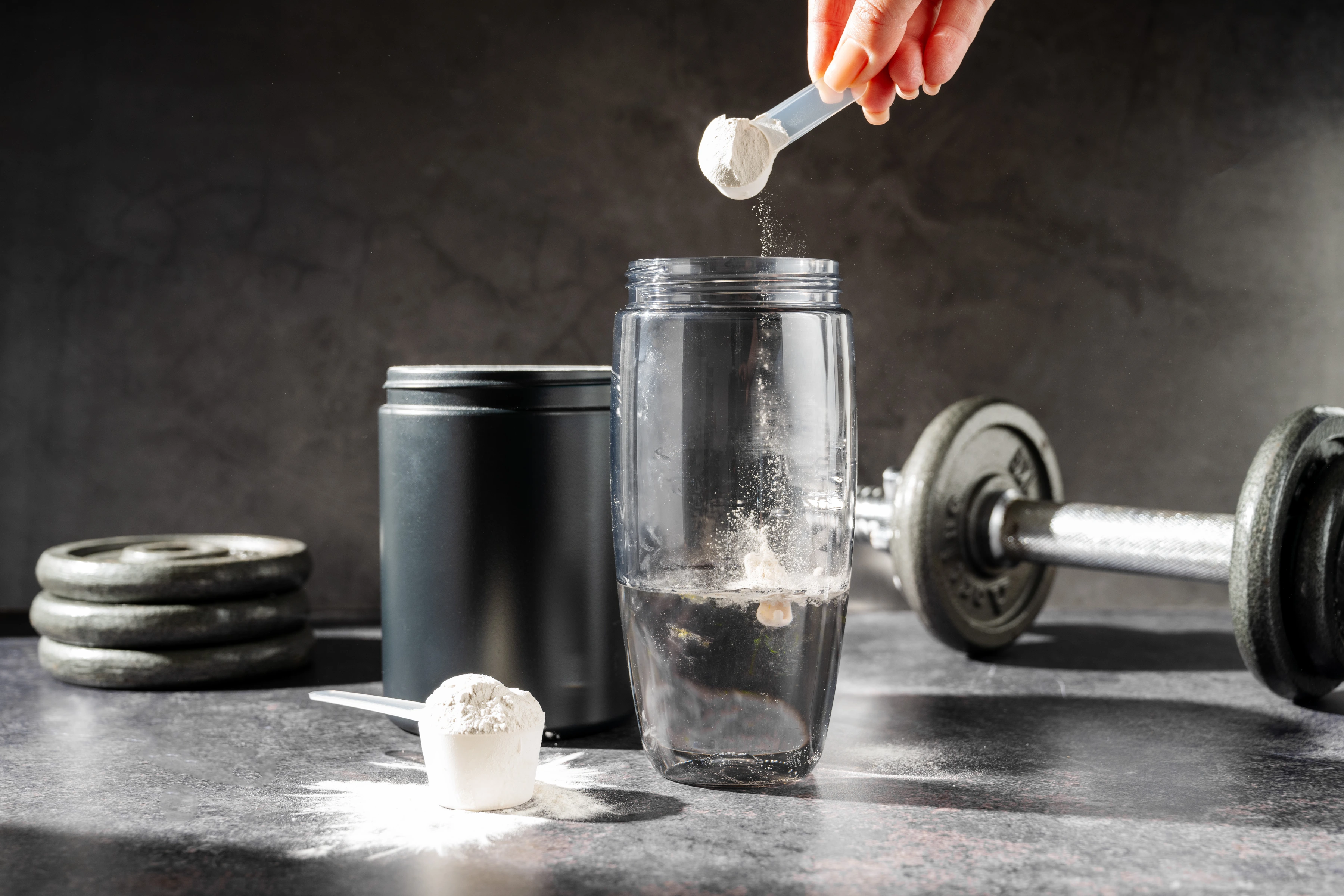
When most people hear creatine, they think of muscle and gym culture. However, emerging evidence shows creatine plays a broader role in cellular energy, brain function, metabolic resilience, recovery, and healthy aging [1].
Creatine supports ATP regeneration across high-energy tissues, including brain, muscle, immune cells, and mitochondria [2]. Because endogenous synthesis and dietary intake may be insufficient—especially in plant-based diets—supplementation can provide clinically relevant benefits [3].
How Creatine Supplementation Works
Beyond Muscle Performance, Creatine May Support
- Brain energy and cognition [5][6]
- Mood and stress resilience
- Sleep deprivation and mental fatigue
- Healthy aging and muscle preservation [5]
- Metabolic health and glucose handling [7]
- Low dietary creatine intake (vegetarians/vegans) [3]
- Post-exercise recovery [1]
- Women’s health, pregnancy, and lactation [8][9]
Who Might Benefit
- Individuals with brain fog or cognitive fatigue
- High-stress or sleep-deprived professionals
- Clients with metabolic health challenges
- Older adults supporting healthy aging
- Athletes and physically active individuals
Clinical Implementation Strategies
- Position creatine as foundational cellular energy support
- Integrate into longevity, metabolic, and cognitive programs
- Bundle with resistance training and protein guidance
- Track outcomes at baseline and 6–8 weeks
- Emphasize strong safety and research profile [10]
Common Dosage Protocols
- General adults: 3 g/day
- Recreational athletes: 3–5 g/day
- High-volume athletes: 3–5 g/day continuous
- Older adults (65+): Start 2–3 g/day → titrate to 3–5 g/day
References
- Wallimann T et al. Amino Acids. 2011.
- Forbes SC et al. JISSN. 2023.
- Gutiérrez-Hellín J et al. Nutrients. 2025.
- Ostojic SM. Nutrients. 2022.
- Marshall S et al. Nutr Rev. 2026.
- Candow DG et al. Sports Med. 2023.
- Antonio J et al. JISSN. 2021.
- Smith-Ryan AE et al. Nutrients. 2021.
- Muccini AM et al. Nutrients. 2021.
- Kreider RB et al. JISSN. 2025.
Last Updated: 4/8/2026 | Professional Healthcare Education