IV TherapyAesthetic Medicine
Glutathione: The Master Antioxidant That Delivers for Skin, Immunity, and Clinic Growth
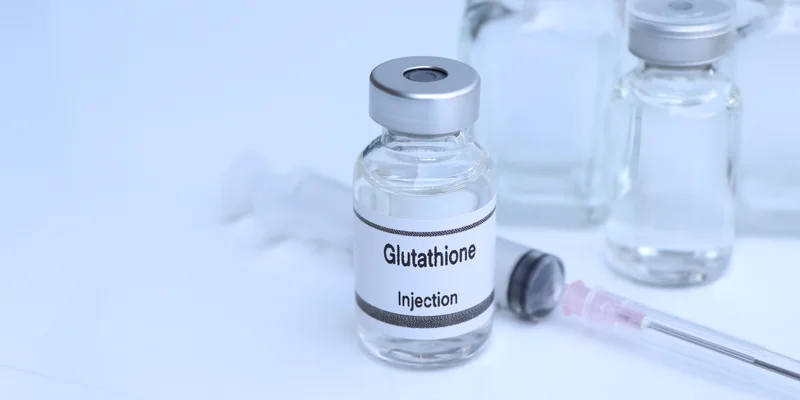
Why Glutathione Is the Master Antioxidant
Glutathione is often referred to as the “master antioxidant” due to its critical role in detoxification, immune regulation, cellular repair, and oxidative stress reduction [1]. While oral glutathione has poor bioavailability, IV administration offers superior absorption and rapid therapeutic effects [1].
Clinics offering glutathione IV therapy can attract clients seeking anti-aging, immune support, skin clarity, and recovery optimization—making it a versatile and profitable addition to your service menu [2][3].
How Clinics Can Use Glutathione IV Therapy Strategically
- Detoxification Protocols – Support liver function and reduce toxin load post-medication, post-surgery, or in chronic illness [4].
- Skin Brightening & Anti-Aging – Even skin tone, reduce pigmentation, and slow aging markers [2][3].
- Immune & Recovery Boosting – Combat oxidative stress and replenish antioxidants after illness, training, or travel [5][6].
- Pair with Other IVs – Combine with vitamin C or NAD+ for synergistic effects [1].
- Offer as a Standalone Push – Deliver via 10-minute sessions for walk-in patients.
Clinical Benefits of Glutathione IV Therapy
- Liver Support & Detox – Assists in neutralizing toxins and supporting Phase I & II detox pathways [4].
- Immune System Regulation – Enhances white blood cell activity and reduces inflammation [5][7].
- Skin Clarity & Pigmentation Reduction – Helps reduce melanin production and oxidative skin damage [2][3].
- Cellular Repair & Anti-Aging – Protects mitochondrial function and slows cellular degeneration [8].
- Recovery Enhancement – Supports athletes and high-stress individuals post-exertion or illness [6].
What Glutathione IV Therapy Supports
- Liver Support & Detoxification: Glutathione is crucial for liver detoxification, supporting Phase I and II pathways by binding to toxins and aiding their excretion [4][9].
- Immune System Regulation: Research indicates that glutathione plays a significant role in immune modulation, affecting T-cell function and cytokine production [5][7].
- Skin Clarity & Anti-Aging: Studies suggest that glutathione IV therapy can reduce hyperpigmentation and improve skin tone by inhibiting melanin production [2][3].
- Cellular Repair & Anti-Aging: As a powerful antioxidant, glutathione protects mitochondrial function and reduces oxidative stress [8].
- Recovery Enhancement: Glutathione’s antioxidant properties help reduce oxidative stress, supporting recovery post-exertion or illness [6].
What to Expect When Offering Glutathione IV Therapy
- Short Treatment Time – IV push sessions take 10–15 minutes, allowing for easy scheduling.
- Wide Application Range – Popular with patients interested in beauty, longevity, detox, and wellness.
- Strong Visual Results – Especially with skin tone, clarity, and energy improvements.
- Recurring Revenue – Offer single sessions or packages for long-term protocols.
FAQs for Clinics Offering Glutathione IV Therapy
Is glutathione IV therapy safe?
Yes, when administered by trained professionals using sterile technique. Mild side effects like temporary flushing are possible, but severe reactions are rare [1].
Who is a good candidate for glutathione IV?
Most adults seeking detox, immune support, skin benefits, or post-illness recovery. Not recommended for those with G6PD deficiency or allergy to components [4].
How many sessions are needed for results?
Many notice benefits after 3–6 sessions, though optimal protocols may involve ongoing maintenance depending on the goal [3].
Can it be combined with other IVs?
Yes—often stacked with Vitamin C, NAD+, Myers’ Cocktail, and other therapies for enhanced outcomes [1].
References
- Forman HJ, Zhang H, Rinna A. Glutathione: overview of its protective roles, measurement, and biosynthesis. Mol Aspects Med. 2009.
- Weschawalit S et al. Glutathione and its antiaging and antimelanogenic effects. Clin Cosmet Investig Dermatol. 2017.
- Alzahrani TF et al. Safety and Efficacy of Glutathione Supplementation for Skin Lightening. Cureus. 2025.
- Hristov BD. Glutathione Metabolism in Chronic Illness Development. Cureus. 2022.
- Lin N et al. The Role of Glutathione in the Management of Cell-Mediated Immune Responses in Individuals with HIV. Int J Mol Sci. 2024.
- Lana JV et al. Nebulized Glutathione as a Key Antioxidant for Neurodegenerative Conditions. Nutrients. 2024.
- Ghezzi P. Role of glutathione in immunity and inflammation in the lung. Int J Gen Med. 2011.
- Chen TH et al. Mitochondrial Glutathione in Cellular Redox Homeostasis and Disease Manifestation. Int J Mol Sci. 2024.
- Lu SC. Glutathione Synthesis. Biochim Biophys Acta. 2013.
Last Updated: 12/15/2025 | Professional Healthcare Education