Integrating Herbal Medicine into Patient Care
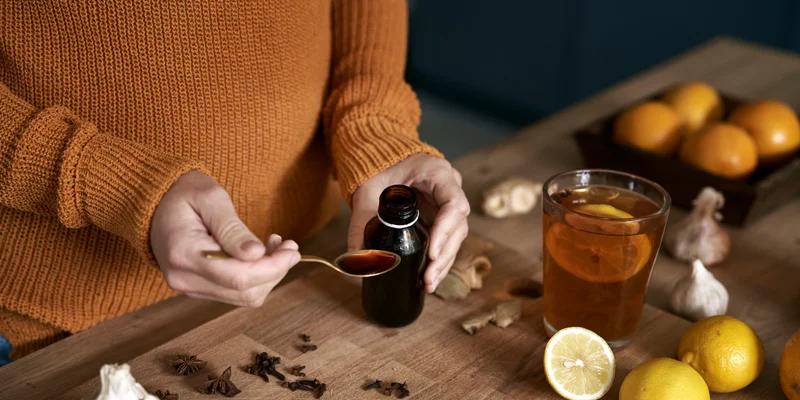
Herbs have been used for centuries in traditional medicine systems such as Ayurveda, Traditional Chinese Medicine, and Western herbalism. Modern science increasingly supports their therapeutic value in promoting health, preventing disease, and managing chronic conditions. Herbs can act as adaptogens, anti-inflammatories, antimicrobials, or metabolic regulators, making them valuable tools for integrative and functional medicine practices [1] [2] [3] [4].
- Broaden therapeutic offerings with evidence-based botanical support.
- Address root causes by modulating inflammation, stress response, and immune function.
- Differentiate your practice through personalized integrative protocols.
- Generate new revenue through herbal dispensaries, supplementation programs, and packaged care.
Herbs contain phytochemicals such as polyphenols, alkaloids, terpenes, and flavonoids that influence human physiology. Common mechanisms include:
- Anti-inflammatory action: Turmeric’s curcumin inhibits NF-κB pathways [5].
- Adaptogenic effects: Ashwagandha and Rhodiola regulate the HPA axis, improving resilience to stress [6].
- Metabolic regulation: Cinnamon and berberine improve insulin sensitivity and glycemic control [7] [8].
- Immune modulation: Echinacea stimulates innate immune response and supports defense against infections [9].
- Chronic illness and stress relief: Extracts of Rhodiola, Chamomile, and Ginseng have been used to address diabetes, cancer, and cardiovascular and neurological disorders [10] [11] [12].
- Initial evaluation: Identify patient needs—immune, stress, metabolic, cognitive, or cardiovascular support.
- Personalization: Herbal therapy should be tailored to individual constitutions, conditions, and medications.
- Treatment duration: Some herbs work acutely (e.g., chamomile for sleep), while others require weeks (e.g., ashwagandha for stress).
- Monitoring: Track clinical outcomes and assess for herb–drug interactions.
- Turmeric (Curcuma longa): Anti-inflammatory; supports joint and metabolic health [5].
- Ashwagandha (Withania somnifera): Adaptogen; reduces stress, anxiety, and cortisol [6].
- Cinnamon (Cinnamomum spp.): Improves glycemic control in type 2 diabetes [7].
- Echinacea: Immune-supporting herb for respiratory infections [9].
- Rhodiola rosea: Adaptogen; supports fatigue, mood, and cognitive function [10].
- Chamomile (Matricaria recutita): Calming herb for sleep and digestion [11].
- Ginseng (Panax ginseng): Improves energy, immune function, and sexual health [12].
Getting Started
- Partner with reputable herbal suppliers for quality assurance.
- Train providers on safety, dosing, and herb–drug interactions.
- Develop patient education handouts on safe herbal use.
Marketing & Positioning
- Brand services as “Integrative Wellness with Botanical Support.”
- Highlight science-backed herbs in blogs, webinars, and workshops.
- Use patient success stories (with consent) to demonstrate outcomes.
Revenue Modeling
- Create in-house herbal dispensaries or e-commerce platforms.
- Offer subscription programs for ongoing herbal protocols.
- Bundle herbal therapies with nutrition, peptides, and hormone optimization services.
- Patients with chronic inflammation or metabolic syndrome.
- Stressed or fatigued individuals seeking natural resilience support.
- Those with recurrent infections or immune weakness.
- Patients preferring natural, evidence-informed solutions as first-line therapy.
- Safety: Many herbs are safe when used correctly but may interact with anticoagulants, antihypertensives, or other medications.
- Limitations: Efficacy can vary due to product quality, dosing, and individual variability.
- Regulatory: Supplements are not FDA-regulated like drugs; sourcing from GMP-certified suppliers is essential.
- Ghasemian M, Owlia S, Owlia MB. Review of Anti-Inflammatory Herbal Medicines. Adv Pharmacol Sci. 2016;2016:9130979.
- El-Saadony MT, et al. Medicinal plants: bioactive compounds, biological activities, combating multidrug-resistant microorganisms, and human health benefits. Front Immunol. 2025;16:1491777.
- Alasvand S, Bridges W, Haley-Zitlin V. Impact of Common Spices on Glycemia in Type 2 Diabetes: Systematic Review. Curr Dev Nutr. 2020;4(Suppl 2):2.
- Goyal A, Sharma A, Kaur J, et al. Bioactive-Based Cosmeceuticals: Emerging Trends. Molecules. 2022;27(3):828.
- Aggarwal BB, Harikumar KB. Potential therapeutic effects of curcumin, the anti-inflammatory agent from turmeric. Int J Biochem Cell Biol. 2009;41(1):40–59.
- Chandrasekhar K, Kapoor J, Anishetty S. A randomized, placebo-controlled study of ashwagandha extract for stress reduction. Indian J Psychol Med. 2012;34(3):255–262.
- Choudhury H, Pandey M, Hua CK, et al. Natural compounds in diabetes mellitus: A systematic review. J Tradit Complement Med. 2017;8(3):361-376.
- Hasani-Ranjbar S, et al. Efficacy and safety of herbal medicines in obesity treatment. World J Gastroenterol. 2009;15(25):3073-3085.
- Karsch-Völk M, et al. Echinacea for preventing and treating the common cold. Cochrane Database Syst Rev. 2014;(2):CD000530.
- Bernatoniene J, Jakstas V, Kopustinskiene DM. Phenolic Compounds of Rhodiola rosea L. Int J Mol Sci. 2023;24(15):12293.
- Srivastava JK, et al. Chamomile: A herbal medicine of the past with a bright future. Mol Med Rep. 2010;3(6):895–901.
- Mancuso C, Santangelo R. Panax ginseng and Panax quinquefolius: From pharmacology to toxicology. Food Chem Toxicol. 2017;107(Pt A):362-372.
Last Updated: 12/15/2025 | Professional Healthcare Education