Low-Dose Naltrexone: Expanding Clinical Horizons in Immune, Pain, and Inflammatory Disorders
Content provided by Strive Pharmacy
Low-Dose Naltrexone (LDN) is increasingly discussed in integrative and functional medicine for its unique mechanism at low doses. When used in small amounts, LDN temporarily occupies opioid receptors, which may influence the body’s endorphin pathways. Ongoing research continues to explore how these pathways relate to immune activity, tissue responses, and inflammatory modulation [1][2][3].
Clinicians across specialties—from rheumatology and neurology to pain management and hormone optimization—are integrating LDN to help address complex, immune-related, and neuroinflammatory conditions.
The pharmacologic interest in Low-Dose Naltrexone (LDN) centers on its short-acting interaction with opioid receptors. At low doses, LDN briefly occupies these receptors, creating a temporary blockade. Researchers are exploring how this short-lived inhibition may influence:
- Increased β-endorphin and enkephalin release
- Suppression of microglia activation via Toll-like Receptor 4 (TLR4) antagonism
- Modulation of T-regulatory cell activity and reduction of inflammatory cytokines (IL-6, TNF-α)
This biochemical “rebound” effect may support immune balance, tissue repair, and pain modulation [1][2].
Autoimmune and Inflammatory Disorders
Rheumatoid arthritis [3], lupus, Hashimoto’s disease, psoriasis, inflammatory bowel disease.
Neurologic and Pain Conditions
Multiple sclerosis, fibromyalgia, chronic fatigue syndrome, CRPS, migraine, peripheral neuropathy [2].
Endocrine and Metabolic Disorders
Polycystic ovary syndrome (PCOS), Addison’s disease, thyroid autoimmunity.
Neuropsychiatric and Cognitive Disorders
Anxiety, depression, OCD, autism spectrum disorder, Parkinson’s disease.
Integrative and Wellness Applications
Metabolic regulation, immune resilience, and generalized inflammation control.
Clinical Insight: LDN often shows synergistic benefit when combined with lifestyle, peptide, or regenerative protocols.
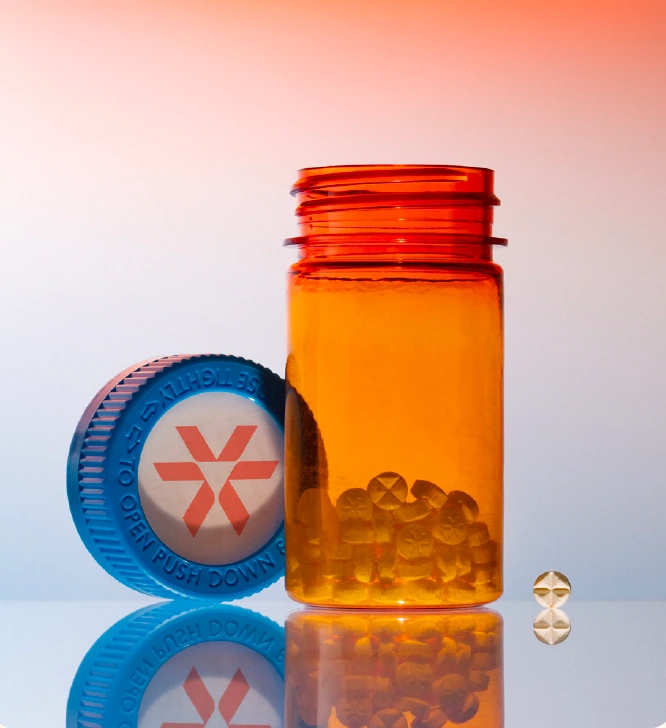
Strive Pharmacy’s Flex-Dose Tablet design allows clinicians and patients to individualize dosing with gradual titration.
Available strengths: 1.5 mg | 3 mg | 4.5 mg | 8 mg
Tablet splitting: Place scored-side up and apply even pressure to divide into quarters.
- Supports fine titration
- Reduces refill frequency
- Simplifies provider workflow
- Initiation: ~1.125 mg nightly for 7–14 days
- Step-up: ~2.25 mg nightly for 7–14 days
- Adjustment: ~3.375 mg nightly
- Maintenance: ~4.5 mg nightly
Optimal dosing is patient-specific.
- Vivid dreams or transient insomnia
- Mild fatigue, headache, dizziness
- Contraindicated with concurrent opioid therapy
- Discontinue 48 hours prior to surgery
Disclaimer: Compounded medications are not FDA-approved for safety or efficacy and are prepared based on individual prescriptions.
Last Updated: 1/11/2026 | Professional Healthcare Education