Peptide-Driven Aesthetics: Beyond Collagen Stimulation
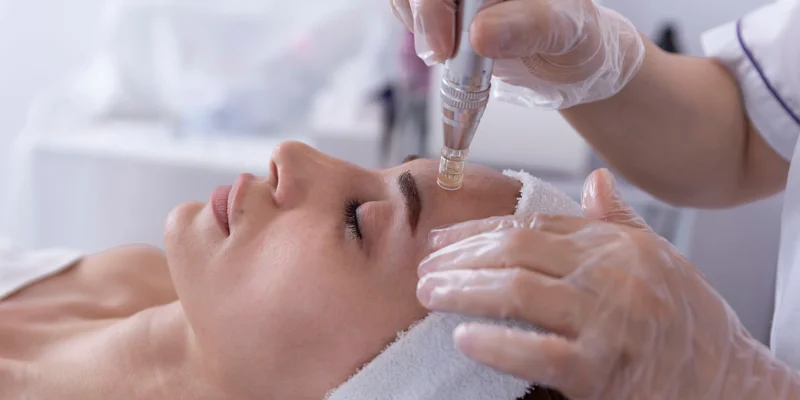
In 2025, the role of peptides in aesthetic medicine is evolving rapidly [1]. No longer confined to simple collagen-stimulation serums, peptides are now being formulated into injectable and device-adjunct therapies, topical bioregulators, neuromodulating agents, and regenerative skin-and-hair protocols. Clinics committed to advanced aesthetic outcomes must understand this broader peptide landscape—which includes signal peptides, neurotransmitter-inhibitor peptides, carrier peptides (e.g., copper complexes), enzyme-inhibitor peptides, and emerging smart-delivery systems for improved skin penetration and effect [2].
This article outlines how clinics can leverage modern peptide-based aesthetic protocols, explains how they work, covers expectations, and provides practical implementation and revenue modelling perspectives for a forward-thinking aesthetic practice.
- Service differentiation: Offer advanced “peptide-stack” programmes (topical + injectable + device) to go beyond standard collagen serums.
- Synergistic protocols: Pair peptides with microneedling, PRP/PRF, exosomes, and energy-based treatments to amplify effects.
- Patient retention & value: Multi-visit plans support sustained revenue, as peptide results develop gradually.
- Marketing edge: Position your clinic as a “2026-ready aesthetic practice using next-gen peptide bioregulators.”
- Upsell opportunities: From peptide cocktails to home-care peptide maintenance kits.
Mechanisms of Action (Reviewed in [1])
- Signal peptides: Stimulate fibroblasts to increase collagen, elastin, fibronectin and proteoglycan production.
- Carrier peptides: Copper complexes and similar molecules deliver trace elements to improve repair and microvascular function.
- Neurotransmitter-inhibitor peptides: Reduce dynamic wrinkles by moderating acetylcholine release—Botox-like but gentler.
- Enzyme-inhibitor peptides: Reduce MMP and collagenase activity, slowing extracellular matrix breakdown.
- Delivery challenges: Overcome via microneedling, electroporation, nanocarriers, liposomes, and energy-based modalities.
Rather than thinking of peptides as “just collagen stimulators,” aesthetic clinics should view them as bio-regulators, influencing fibroblasts, microvasculature, muscle tone, inflammation and barrier repair [1] [2].
- Patient outcomes: Firmness, texture, wrinkle reduction and barrier strengthening typically appear over 8–12 weeks.
- Treatment cadence: Baseline + 4–6 visits, plus home-care peptide serums.
- Adjuncts matter: Microneedling, RF, laser or PRP enhance penetration and effect.
- Counselling: Effects are gradual, not instant like fillers/toxins.
- Monitoring: Ultrasound, photos, elasticity measurements, and patient-reported outcomes.
- Topical/serum peptides: Signal peptides, GHK-Cu, enzyme inhibitors for daily use. Evidence supports wrinkle & firmness gains [3].
- Device-adjunct delivery: Microneedling + peptide infusion; electroporation; energy-based enhancements [4] [5].
- Injectable/mesotherapy peptides: Options include tripeptide-10-citrulline, acetyl-hexapeptide-8 for tightening & rejuvenation [6].
- Hair-growth peptides: Carrier & signal peptides to support ECM and microvasculature [7].
- Body-skin laxity protocols: Peptides + RF/ultrasound + topical support [1].
Getting Started
- Educational training: Ensure staff understand peptide types, mechanisms and delivery limitations.
- Protocol library: e.g., 6-visit peptide + microneedling plan; hair-peptide 4-visit cycle.
- Product partnerships: Vet peptide suppliers for stability and clinical support.
- Home-care strategy: Add subscription-based peptide serums.
- Outcome tracking: Photography, elasticity tools, patient satisfaction data.
Marketing & Positioning
- Brand messaging: “Beyond collagen — next-gen peptide bioregulators.”
- Content marketing: Videos or blogs on “What’s new in peptide science for 2026.”
- Create premium packages—clinic + home-care + maintenance membership.
- Referral building with dermatologists & plastics using outcome metrics.
Revenue Modeling
- Initial consultation + baseline imaging.
- 6-session peptide + device plan.
- Home-care peptide subscription.
- Annual “Peptide Renewal Membership.”
- Upsells: injectable peptides, body-skin protocols.
- Early to moderate laxity, fine lines, age-related texture issues.
- Patients wanting non-invasive, gradual alternatives to fillers/facelift.
- Clients with hair-density reduction seeking scalp peptide support.
- Bio-regenerative wellness patients preferring natural maintenance.
Safety
- Topical peptides generally well tolerated; irritation possible from over-layering.
- Injectable mesotherapy requires strict sterility, dosing and safety protocols.
Limitations
- Many peptides are cosmeceutical-grade; long-term clinical data limited.
- Penetration remains a major barrier—delivery methods matter.
- Results are cumulative—not immediate like toxins/fillers.
Regulatory Considerations
- Keep claims evidence-based—avoid overstating “Botox-like” effects.
- Injectable peptides fall under off-label/compounding rules—consent required.
- Differentiate aesthetic vs. medical claims to reduce risk.
- Pintea A. … Biomolecules. 2025;15(1):88.
- Tabin E. A Comprehensive Guide to Popular Peptides in Aesthetic Medicine. The Aesthetic Guide. 2025.
- Zhang Y… Int J Pharm. 2020;587:119491.
- Iriarte C… Clin Cosmet Investig Dermatol. 2017.
- Yuan Y… Ageing Research Reviews. 2025.
- Crous C… Skin Health Dis. 2024.
- Mehta A… Cells. 2025.
- Goodman G… Aesthet Surg J Open Forum. 2025.
Last Updated: 12/15/2025 | Professional Healthcare Education