IV TherapyTherapeutic Intervention
Stem Cell Therapy & PRP Injections
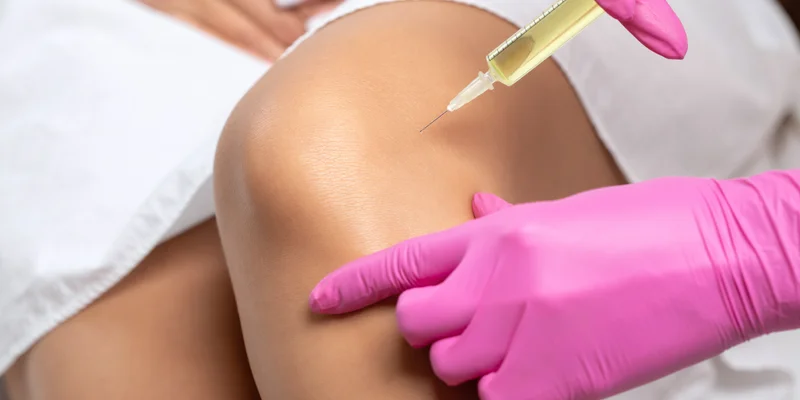
Regenerative Solutions for Healing
Stem Cell Therapy and Platelet-Rich Plasma (PRP) Injections are regenerative treatments that harness the body’s natural healing abilities to repair damaged tissues, reduce inflammation, and accelerate recovery from injuries. Both are minimally invasive, non-surgical options increasingly used in orthopedics, sports medicine, and pain management [1], [2], [5].
How Stem Cell Therapy Works
- Stem Cells: Uses mesenchymal stem cells (MSCs), typically derived from bone marrow, adipose tissue, or umbilical sources, to promote regeneration of cartilage, tendons, and ligaments [3], [4], [7].
- PRP Therapy: Concentrates platelets from the patient’s own blood, which are then injected to release growth factors and stimulate healing [2], [5].
- Minimally Invasive: Both therapies avoid surgery and are performed in outpatient settings [5], [6].
- Reduces Inflammation: PRP in particular is noted for its anti-inflammatory effects, with both therapies supporting joint health and regeneration [2], [5].
Conditions Treated with Stem Cell & PRP Therapy
- Osteoarthritis & Joint Degeneration: PRP is effective in mild to moderate cases; stem cells are used in more advanced stages [1], [2], [4], [5].
- Tendon & Ligament Injuries: Accelerates healing of sprains, tendonitis, and tears; PRP is preferred for milder injuries [2], [5].
- Chronic Back & Neck Pain: Shows promise for soft tissue repair and disc health, though more studies are needed [1], [4].
- Sports Injuries: Supports faster recovery and may help prevent reinjury [2], [5].
- Post-Surgical Healing: May speed up healing and reduce scar tissue, though research is still emerging [4], [5].
When to Consider Implementing Stem Cell & PRP Therapy
- When conservative care (e.g., PT, NSAIDs) isn’t producing results.
- When patients want faster, drug-free healing.
- When differentiating your clinic with regenerative care.
- To retain wellness patients by expanding into musculoskeletal, aesthetic, or recovery services.
What to Expect from Treatment
- PRP Procedure: Simple blood draw, same-day injection after centrifugation; 30–45 minutes total [5].
- Stem Cell Therapy: Harvested from bone marrow/fat or purchased via biologics lab; may involve lab processing [5], [6].
- Recovery: Minimal downtime, with results developing over weeks/months [5], [6].
- Cost: PRP: $500–$2,500; stem cell therapy: $5,000–$25,000+ (cash-based) [6].
Why Learn About Stem Cell Therapy & PRP?
- Regenerative Revolution: Widely adopted in orthopedics and aesthetics [1], [2], [4].
- Non-Surgical Option: Reduces reliance on meds and invasive procedures [5], [6].
- Backed by Research: Studies support benefit in joint, tendon, and soft tissue conditions [1], [2], [5].
- Practice Growth: Add high-value, innovative services [7].
How Clinics Can Leverage Stem Cell & PRP Therapy
- Brand Differentiation: Offer advanced regenerative care.
- Bundled Programs: Combine PRP with microneedling, recovery protocols, or post-op rehab.
- Signature Protocols: Create condition-specific plans like “Joint Renewal Series.”
- Education Strategy: Use webinars, events, and eBooks to explain these options.
Ideas for Monetizing These Services
- Cash-based treatment packages
- PRP as an upgrade in memberships or tiered pricing
- PRP for aesthetics: hair, skin, scars
- Add-ons: HBOT, peptides, IVs
- Vendor collabs: PRP kits, biologic suppliers, co-marketing deals
FAQs
Is this profitable?
What training is needed?
MDs, DOs, and NPs can become certified through regenerative workshops and hands-on training [7].
What’s the cost to get started?
How do they compare?
Important: Are there regulatory notes?
Some stem cell uses remain investigational and are not FDA-approved for orthopedic care.
References
- Reflex Knees. (2025, Jan 3). The Current State of Stem Cell Therapies in 2025.
- Knoepfler, P. (2025, Jan 16). 2025 PRP Fact-Check and Review: Cost and Possible Benefits.
- IDS News. (2025, Feb 27). The Cost of Stem Cell Therapy in 2025: Trends and Predictions.
- Auragens. (2025, Feb 11). Success Rates of Stem Cell Therapy: Evaluated.
- Resilience Orthopedics. (2024, Oct 22). PRP vs Stem Cell Injections – The Difference.
- BioInformant. (2025, April 1). The Cost of Stem Cell Therapy in 2025.
- Stem Cell of NJ. (2025, Mar 4). 10 Best Stem Cell Therapy NJ Treatments in 2025.
- Peng, J. (2024, Dec 28). Platelet Rich Plasma Injection for Knee Arthritis (2025 Updates) [Video]
Last Updated: 12/15/2025 | Professional Healthcare Education